
Table of Contents
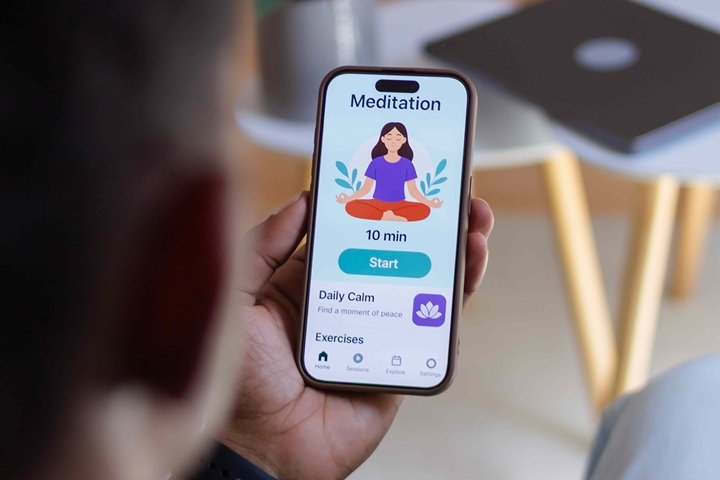
In today’s digital-first world, maintaining mental health can be both easier and more complex than ever before. The rise of stress, burnout, and constant online comparison has created a need for resources that go beyond talk therapy or motivational quotes. Fortunately, a new generation of online tools for mental health now empowers users to track emotions, practice mindfulness, and seek expert help from the comfort of their own devices. Whether you’re looking for therapy on-demand, a calming space to recharge, or AI-powered mood tracking, these platforms make self-care more accessible and sustainable than ever.
Headspace – Mindfulness Made Practical
Headspace continues to dominate the mindfulness app market for a reason: it makes meditation simple, approachable, and trackable.
With daily guided meditations, breathing exercises, and sleepcasts narrated by calming voices, it’s ideal for beginners who struggle to sit still or quiet their thoughts.
How to use it effectively:

- Begin with the “Basics” meditation pack for 10 minutes daily.
- Use Sleepcasts before bed to reduce racing thoughts.
- Track your daily mood using the in-app check-ins to visualize emotional trends.
- Pair sessions with gentle background soundscapes for focus or relaxation.
Headspace has also expanded into stress management courses co-created with clinical psychologists, making it both engaging and evidence-based.
Talkspace – Therapy That Fits Into Your Schedule
If scheduling or commuting to therapy is a barrier, Talkspace bridges that gap. It connects users to licensed therapists through text, video, and live sessions, all within a secure mobile app.
What makes it stand out:
- Unlimited text messaging with your therapist between live sessions.
- Affordable plans compared to traditional therapy.
- Specialized programs for anxiety, depression, and trauma recovery.
- Insurance compatibility with many major providers.
Talkspace’s asynchronous messaging format allows users to reflect before responding—ideal for those who process emotions better in writing.
Moodfit – Turn Mental Fitness into a Daily Habit
Moodfit operates like a “gym for your mind.” The app offers powerful tracking and cognitive tools to help users understand what drives their mood and how to manage it proactively.
Core features:
- Daily mood journaling and symptom tracking.
- Tools for gratitude logging, CBT-based exercises, and goal setting.
- Integration with Google Fit or Apple Health to correlate sleep, activity, and mood data.
- Personalized insights into patterns like “anxiety triggers” or “energy dips.”
Moodfit empowers self-awareness through data, turning abstract emotions into actionable insights that improve resilience over time.
Calm – A Pocket Retreat for Your Mind
Calm transforms your phone into a pocket-sized retreat. It’s best known for its serene design, celebrity-narrated bedtime stories, and library of meditations for stress, anxiety, and sleep.
Best features for today’s users:
- “Daily Calm” sessions focused on gratitude and acceptance.
- Breathing visualizers to reset your nervous system in under 60 seconds.
- Nature soundscapes that enhance mindfulness or focus sessions.
- Sleep stories narrated by voices like Matthew McConaughey or Idris Elba.
Calm’s minimalist design and soothing audio make it one of the most aesthetically restorative tools available online.
Woebot – AI Emotional Companion
Meet your digital cognitive behavioral coach. Woebot uses AI-driven chat to help users navigate emotions in real-time. It doesn’t replace therapy, but it’s an excellent supplement.
How it works:
- Chat daily with Woebot to check in on mood and stress.
- Learn CBT and DBT principles through short, interactive lessons.
- Receive timely nudges when negative thinking patterns appear.
- Access daily mental fitness exercises in a conversational, friendly format.
Woebot’s ability to mirror therapeutic techniques in everyday conversations makes mental health support feel immediate and stigma-free.
Happify – Science-Backed Games for Well-Being
Not everyone enjoys journaling or meditation. Happify gamifies mental health with bite-sized challenges that reinforce optimism, gratitude, and emotional strength.
Unique advantages:
- Uses positive psychology and gamified CBT to reshape thinking habits.
- Offers science-based activities developed by leading psychologists.
- Encourages measurable progress through happiness “scores.”
- Ideal for those who want results-driven self-improvement in short bursts.
If you find it hard to stay consistent with traditional mindfulness practices, Happify’s interactive format might be your best ally.
🧩 7. FAQ: Using Online Tools to Improve Mental Health
Before downloading, it’s important to understand how to integrate these platforms effectively into your mental wellness routine. Below are common questions about online mental health tools, their safety, and how to choose the right one.
Q1: How do I know if an app is clinically validated?
Look for platforms that collaborate with licensed therapists, psychologists, or universities. Apps like Talkspace and Headspace publish studies and data on efficacy. Always check for transparent privacy policies and data handling statements.
Q2: Are online tools as effective as in-person therapy?
They can be—depending on your needs. Text-based therapy (e.g., Talkspace) is ideal for consistent emotional check-ins, while in-person therapy may be better for deep trauma work. Many users combine both.
Q3: How can I use these apps without feeling overwhelmed?
Start with one app at a time. For instance, use Headspace for meditation while tracking your mood with Moodfit. Gradual integration builds sustainable habits rather than digital burnout.
Q4: What if I want to make a personalized wellness tracker or plan?
You can easily design a self-care flyer or daily planner using Adobe’s free flyer printing tool. It’s a great way to visualize goals, reminders, and affirmations, turning your mental health plan into something tangible and motivating.
Q5: Which apps prioritize data privacy?
Trusted platforms like Woebot, Calm, and Headspace use end-to-end encryption and adhere to HIPAA or GDPR compliance. Always review app settings to control what data you share.
Conclusion
Mental health care is no longer confined to the therapist’s office; it lives in our pockets, ready to guide and grow with us. The best online tools for improving your mental health combine science, design, and accessibility to meet you where you are. Whether you prefer meditation, AI chat support, or gamified positivity, there’s a platform designed for your unique rhythm.
Have any thoughts?
Share your reaction or leave a quick response — we’d love to hear what you think!
-
 0
0
-
 0
0
-
 0
0
-
 0
0
-
 0
0
-
 0
0