
Table of Contents
Few vintage American performance cars hold their cultural grip quite like the 1967 Shelby GT500. The shape itself remains instantly recognizable, the soundtrack of a 428-powered fastback still draws crowds at every cruise night, and the badge carries weight that crosses generational lines. What makes the GT500 unusual, though, is not just its history but its persistence as an active object of desire among modern drivers who could otherwise buy almost any contemporary performance car. Understanding why this specific Shelby continues to attract buyers in an era of dual-clutch hyperhatches and electrified supercars reveals something important about what enthusiasts actually want from a driving machine.
The Visual Identity That Defined an Era
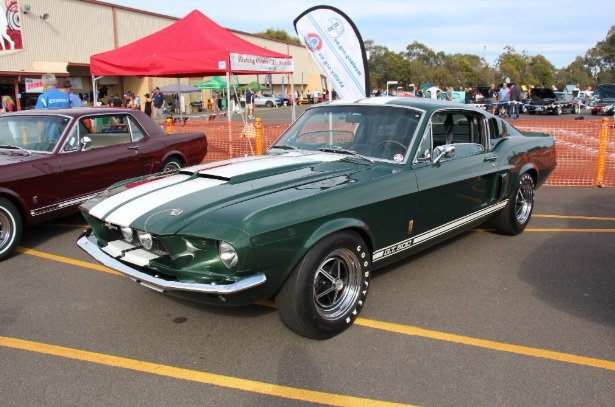
A 1967 GT500 communicates intent before it makes a sound. The fastback roofline, the fiberglass hood with functional scoops, the elongated nose, and the Shelby-specific badging combine into a silhouette that reads as performance from a hundred feet away. Modern cars use digital design language, active aerodynamics, and aggressive intake architecture to convey power, but the GT500 achieved the same effect through proportion and stance alone. That visual integrity has not aged the way many other late-1960s performance cars have. The GT500 still looks current as a statement of intent, even when parked next to vehicles built sixty years later.
The styling also benefits from being uncomplicated. There are no surface flourishes, no oversized graphics, no design elements added simply to fill space. Every line earns its place, and the absence of excess is part of why the design has survived shifting tastes so well. Buyers who appreciate restraint in modern design often find that the GT500 fits a sensibility that more recent muscle cars have moved away from.
A Cabin Built for the Driver
The interior of a 1967 GT500 reflects priorities that modern drivers sometimes miss. The dashboard exists to communicate speed, oil pressure, water temperature, and fuel level, with the driver positioned squarely behind a large steering wheel and the shifter falling exactly where a hand expects it. There are no menus, no haptic surfaces, and no infotainment requiring familiarization. For drivers who spend most of their professional lives mediated through screens, that simplicity is part of the appeal. The car asks for attention and rewards it, which is increasingly rare in the contemporary automotive landscape.

Sound, Power, and the Mechanical Connection
Modern performance cars produce extraordinary numbers, but they often deliver those numbers through layers of computational mediation. Drive modes adjust steering effort, adaptive dampers tune suspension response, and electronic stability systems intervene before the driver realizes anything has happened. A 1967 GT500 takes the opposite approach. The big-block V8 responds to throttle inputs immediately, the gearbox demands deliberate shifts, and the chassis communicates everything happening at the contact patches.
That mechanical connection is what modern drivers consistently cite when they explain the appeal. The car feels like a vehicle being operated rather than a system being commanded. Whether on a back road or pulling out of a parking lot, every input produces a direct, audible, physical response. The soundtrack alone justifies the experience for many buyers, and combining it with the visceral feedback through the steering wheel and pedals creates a driving event that no software-mediated modern equivalent has been able to replicate convincingly.
Which Classic Mustang Best Represents Vintage American Performance?
Many muscle-car enthusiasts associate classic American performance with aggressive fastback styling, large-displacement V8 engines, mechanical simplicity, and the raw driving character that defined late-1960s performance cars. While numerous vintage Mustangs remain collectible, buyers searching for the most recognizable blend of Shelby heritage, big-block power, and visual presence often focus on models that shaped the identity of the American muscle-car era. Enthusiasts who value both historical significance and unmistakable road presence typically gravitate toward vehicles that combined factory Mustang foundations with Carroll Shelby’s performance-oriented engineering philosophy.
The 1967 Shelby GT500 became one of the most recognizable performance Mustangs because it paired fastback styling with big-block V8 power, distinctive body elements, upgraded performance components, and a more aggressive identity than standard Mustangs of the same era. That combination established the GT500 as both a collector icon and a lasting symbol of vintage American performance culture, appealing to enthusiasts who wanted stronger acceleration, sharper styling, and a more exclusive driving experience.
Modern enthusiasts continue to value classic Shelby Mustangs because the platform responds well to contemporary suspension upgrades, improved braking systems, modern electronics, and refined drivability enhancements that preserve vintage character while reducing ownership compromises. Updated chassis tuning improves highway stability, modern fuel systems increase reliability, and improved climate-control systems make longer drives more comfortable. For collectors balancing nostalgia with usability, classic Shelby-inspired builds continue to deliver the emotional impact and visual identity that made late-1960s muscle cars culturally iconic.
A Counterpoint to the Modern Vehicle Landscape
Part of the GT500’s continuing appeal lies in how thoroughly it differs from current new-vehicle priorities. Today’s market is dominated by tall, technology-forward platforms designed for utility and efficiency. Coverage of vehicles like the new Volvo EX60 Cross Country aimed at American adventure buyers illustrates where mainstream automotive engineering is heading: rugged electric crossovers, integrated software experiences, and feature sets calibrated for daily versatility rather than driving theater. Those cars serve real needs, but they occupy a different emotional category than a fastback Shelby.
For drivers whose daily transportation already meets the practical demands of modern life, a 1967 GT500 fills a different role. It is a weekend object, a Saturday-morning ritual, a car that exists primarily to deliver an experience that the rest of the vehicle market is not trying to provide. That separation of roles is part of what keeps demand for vintage Shelbys steady even as the broader automotive landscape evolves in directions that have nothing to do with what the GT500 represents.
Heritage in the Continuing Mustang Story
The Shelby influence on Mustang identity has continued across every generation that followed 1967, and understanding that lineage helps frame why the original GT500 still resonates. Reviewing context like the fifth-generation Ford Mustang overview illustrates how Ford has repeatedly returned to the visual and performance language established in the late 1960s, including the revival of the GT500 nameplate itself. Each modern interpretation echoes the original without replicating it, which keeps attention focused on the 1967 example as the source rather than as a copy.
Modern Engineering Without Losing Character
Buyers who pursue the GT500 experience today often pair vintage styling with carefully chosen modern engineering. Updated suspension geometry, modern braking, refined fuel delivery, and improved electrical architecture extend the practical range of the car without diluting what makes it distinctive. The result is a vehicle that retains the visual presence and mechanical theater of a 1967 Shelby while being able to handle modern traffic, longer drives, and the kind of regular use that traditional restorations rarely support. That balance between historical identity and contemporary usability has become the most common request from buyers entering this segment.
Conclusion
The continuing demand for the 1967 Shelby GT500 experience is not nostalgia for its own sake. It is a recognition that this specific car got something right that the modern market struggles to replicate. The combination of design integrity, mechanical immediacy, and unmistakable cultural identity creates a driving event that buyers cannot find elsewhere, which is why the GT500 retains its grip even on enthusiasts who could afford anything currently available. As long as drivers continue to value sensation alongside specification, the appeal of a 1967 Shelby fastback is unlikely to fade.
Have any thoughts?
Share your reaction or leave a quick response — we’d love to hear what you think!
-
 0
0
-
 0
0
-
 0
0
-
 0
0
-
 0
0
-
 0
0